
The Ethics of Protection
Miss Peregrine's Home of Peculiar ChildrenProtective choices repeatedly become restrictive or risky, forcing characters to distinguish care from control and safety from avoidance.
increasing Bearing strength in each event
 decreasing
Bearing strength in each eventdecreasingAbraham’s Silence

Abraham’s Silence
Protection through concealment
Abraham withholds the truth about Jacob’s peculiar ability and his own dangerous work. He hopes secrecy will preserve Jacob’s chance at an ordinary life.
A protective failure
Jacob is unprepared when Abraham dies and initially believes he is unstable. Care without explanation leaves him vulnerable to fear and manipulation.
Miss Peregrine’s Rules
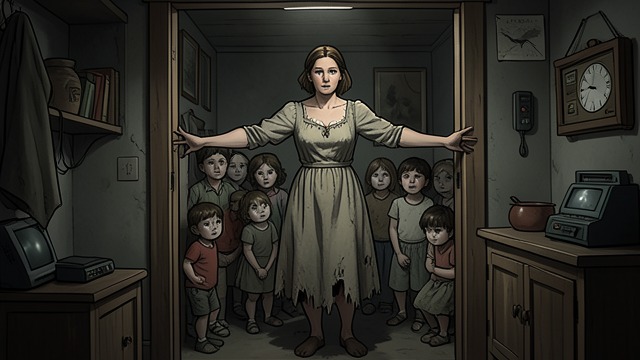
Miss Peregrine’s Rules
Safety through control
Miss Peregrine imposes lockdown and restricts contact with the present. Her actions reflect a genuine duty to protect children who cannot easily survive outside the loop.
Control breeds resistance
Emma and the others see that confinement may leave them helpless when the enemy attacks. Their challenge raises the question of whether protection can become another form of imprisonment.
Jacob’s Protective Choice
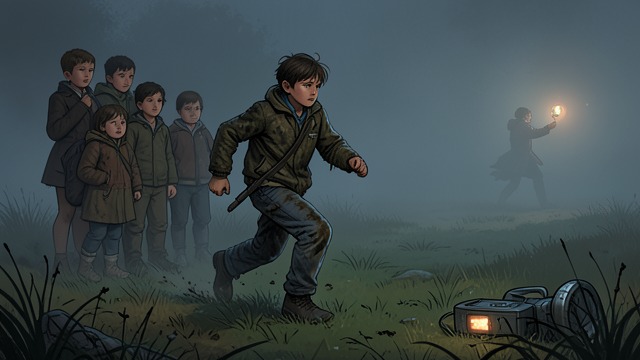
Jacob’s Protective Choice
Risk accepted
Jacob leaves hiding to draw the Hollowgast away from Emma and the other children. He acts not because he is fearless, but because someone else is in greater danger.
Protection becomes reciprocal
Emma rescues Jacob from the bog, and the group later fights together. Their safety depends on shared risk rather than one guardian’s control alone.
Jacob’s childhood and adolescence
After the Ymbryne kidnappings are reported
During the Hollowgast attack in the sheep hut
